Aromatherapy Massage Benefits: Why Essential Oils Change Everything
There is a persistent idea about aromatherapy massage that it is the soft option. Something you book when you want to feel pampered. Not when you have an actual problem to deal with. It smells pleasant, you relax for an hour, and then it is done.
That framing misses something significant.
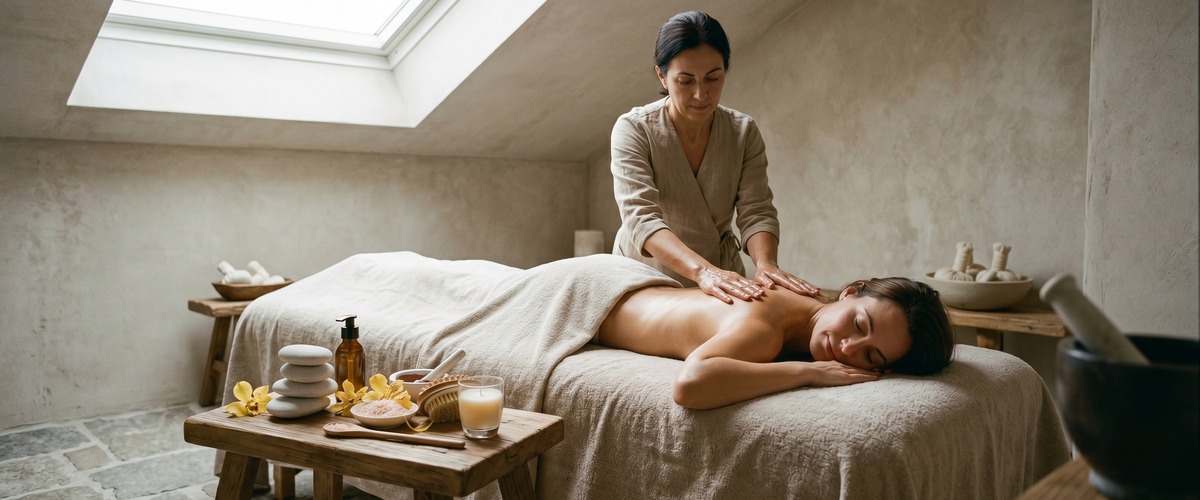
Aromatherapy massage works through two channels at once: skin absorption and inhalation. When high-quality essential oils are applied to warm skin, their active compounds pass into the bloodstream.
At the same time, scent molecules travel through your nose to the limbic brain. That is the part of the brain that controls stress response, mood, and memory.
Neither of those routes exists in a standard sports or deep tissue massage. That is the gap this article is about. Combining both pathways creates an effect that separates aromatherapy massage from a pleasant session that just smells nice.
You can book a Thai aromatherapy session at Glasgow Thai Massage to experience what that combination feels like. But here is the science behind why it is worth understanding first.
Aromatherapy Massage Benefits: The Two-Channel Effect
Why Thai Aromatherapy Massage Works on a Different Level
A Thai aromatherapy massage is not simply an oil massage with a better smell. It adds therapeutic essential oils to the core work of traditional Thai technique. That means acupressure along the body’s sen energy lines, assisted stretching, and a rhythm that calms the nervous system.
Warm skin is the key factor. Heat brings circulation to the surface, which speeds absorption.
Linalool is the active ingredient in lavender. Research shows it can be found in the bloodstream within 10 to 40 minutes of skin contact. That means absorbed compounds are already circulating while the manual work continues elsewhere on the body.
Your therapist may be working on your lower back. The oil applied to your shoulders is already in your system.
You are not receiving a massage with scent running alongside it. You are receiving a compound treatment where both channels are active at the same time.
What Aromatherapy Massage Actually Does to Your Body
The limbic system receives scent signals. It connects directly to the hypothalamus, which controls cortisol, blood pressure, and heart rate. This is why inhaling lavender produces real physical change — not just a sense of pleasantness.
A review published in BMC Complementary Medicine found clear benefits when aromatherapy and massage were combined. These included reduced anxiety, lower heart rate, and improved sleep.
These outcomes were not produced by massage alone or scent alone. The combination delivered effects that neither channel achieved on its own.
For anyone who has tried several therapists and “felt no benefit afterwards,” this distinction matters. Synthetic fragrance oil applied to cold skin in a poorly heated room bypasses absorption entirely. The oils stay on the surface.
Your nose picks up the scent briefly, but without absorption, the compound effect never happens. That is why the quality of the oils and the skill of the therapist are not minor details. They determine whether the two-channel effect is achieved, or whether you just smell pleasant for an hour.
In our experience, sceptics often benefit most. Maliwan has worked with clients who arrived after trying multiple providers elsewhere.
One was a shift worker carrying persistent anxiety and disrupted sleep. She came to us after sessions she described as pleasant but ineffective.
After six weeks of monthly aromatherapy treatments, her sleep had improved significantly. She told Maliwan these sessions were the one appointment she refused to cancel. No matter how busy her roster became.
The connection between massage and mental wellbeing runs deeper than most people expect. Aromatherapy amplifies that effect through the direct limbic pathway. Manual therapy alone cannot reach that same place.
Glasgow’s Grey Winters and the Case for the Right Oil Blend
Most aromatherapy articles treat essential oils as all the same: lavender relaxes, peppermint energises, and the rest is personal taste. That is not quite right. In a Scottish winter, it matters more than usual.
Glasgow’s climate creates a specific kind of fatigue. Low daylight runs from October to March. Long shifts in hospitality, retail, and care add up.
Months of grey weather do the rest. The result is not quite seasonal depression — but it is a long way from feeling well.
Citrus oils, particularly bergamot, have a different effect to lavender. Lavender lowers arousal and promotes sleep; bergamot lifts mood without raising heart rate.
For someone coming in from a night shift — wired and flat at the same time — the oil choice matters. It is clinical, not decorative.
At Glasgow Thai Massage, the therapist asks what you are carrying before selecting the blend. That conversation makes the oils part of the treatment, not just part of the atmosphere.
If you are navigating winter fatigue and high-pressure work, booking a session in Glasgow city centre takes a couple of minutes. Same-week appointments are usually available.
How Long the Benefits Last and Why Most Articles Skip This
Almost no competitor content addresses this directly. It is one of the first questions clients ask.
The immediate effects — reduced cortisol, lower heart rate, and better mood — typically last 24 to 48 hours. The structural benefits from the manual work build up over weeks and months of regular sessions.
The most consistent pattern among long-term clients is this: monthly sessions act as a reset. The body’s baseline tension does not rebuild as quickly between visits. The nervous system has been trained, repeatedly, to release it.
That is not a placebo response. It is a trained physical response.
Maliwan observes that clients who arrive breathing shallowly often begin breathing normally around twenty minutes into a session. This happens before any direct work on the chest. The oils and manual rhythm reach the nervous system faster together than either channel would alone.
This combined effect is something sports massage, however skilled, cannot replicate on its own. If you have found massage helpful but incomplete, essential oils are not a luxury add-on. They introduce a different mechanism — one that addresses stress chemistry alongside physical tension.
Understanding that distinction changes how you use it. Aromatherapy massage works best as a consistent practice during the periods when you need it most. Not as an occasional treat when things are calm enough to feel you have earned one.