How Massage Therapy Helps Heal Injuries and Speed Recovery
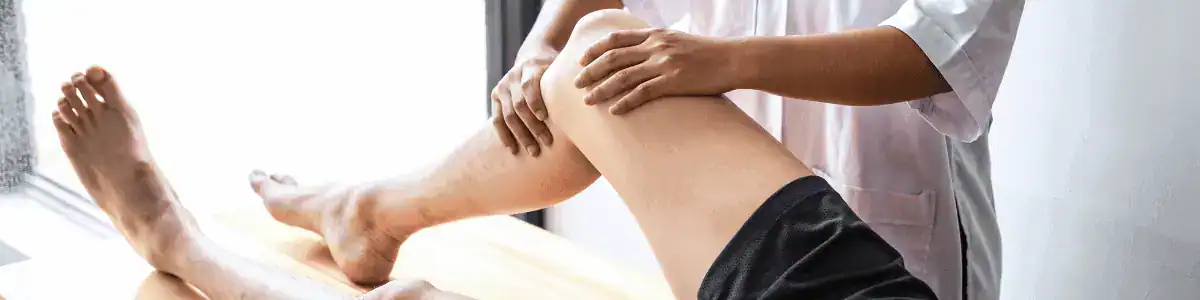
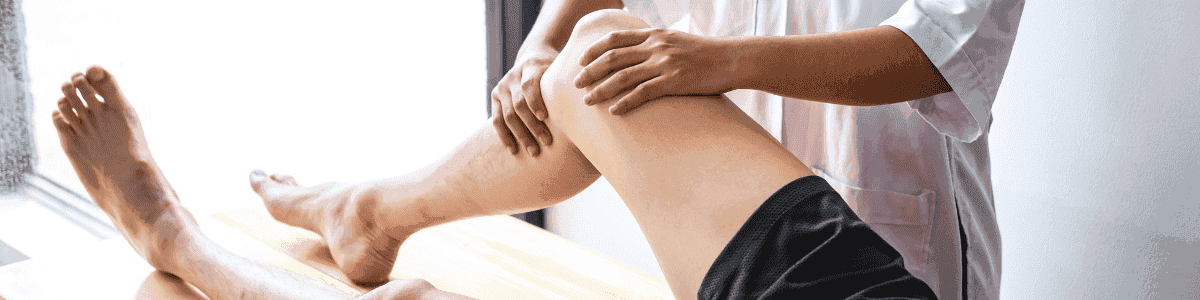
Massage won’t set a broken bone or repair a torn ligament. What it can do — once the acute danger has passed and a clinician has given you the all-clear — is help the surrounding tissue move, settle and recover more comfortably. At Glasgow Thai Massage, Maliwan has spent more than twenty years working with bodies that are stiff, guarded and sore, much of it grounded in the Wat Pho tradition she trained in in Bangkok. Below is an honest look at where massage genuinely helps with injury recovery, where it doesn’t, and when you should see a doctor before you book anything.
Where massage actually helps after an injury
When a muscle or joint is hurt, the body braces around it. Surrounding muscles tighten to protect the area, you move less, and that combination of guarding and disuse leaves you stiff long after the original injury has begun to heal. This is the stage where hands-on work earns its place.
Soft-tissue massage is associated with reduced muscle soreness and improved short-term flexibility, which is why it’s a long-standing part of sports physiotherapy. A widely cited 2012 study from McMaster University, published in Science Translational Medicine, found that massage applied to exercise-damaged muscle reduced inflammatory signalling and encouraged the production of mitochondria — the energy units inside muscle cells — pointing to a real biological effect rather than relaxation alone.
In plain terms, regular massage during recovery may help by:
- Easing protective tension in the muscles around an injury, so you regain range of movement more comfortably.
- Reducing perceived pain and stiffness in the days after exertion or treatment.
- Improving local circulation, which supports the delivery of oxygen and nutrients to recovering tissue.
- Calming the nervous system, which matters because pain and poor sleep feed each other during a long recovery.
None of this is a cure, and none of it replaces rehab. Think of massage as something that makes the rehab easier to do, not a substitute for it.
Sports injuries: keeping the rest of you moving
Most sports injuries are sprains, strains and overuse problems — the kind of thing that builds up in a runner’s calves or a cyclist’s lower back. Once swelling has settled, massage can help release the compensating tightness that spreads to nearby areas while you favour the injured side. If you train regularly, it’s worth understanding what sports massage actually involves and how it differs from a relaxation treatment, because the technique and pressure are matched to the goal. For recurring tightness, knowing why muscle knots form makes it easier to see why hands-on release helps where stretching alone doesn’t.
Post-surgery and chronic pain: gentle, patient work
After surgery, massage is never about the operation site itself — it’s about the stiffness, postural strain and disturbed sleep that come with weeks of restricted movement. Always get explicit clearance from your surgeon or GP first; healing tissue and surgical scars have their own timeline, and pressure too early can do harm.
Chronic pain is different again. Conditions such as persistent lower-back pain or sciatica often have no single injury to “fix”, and here massage works best as ongoing symptom management alongside medical care. It may ease the muscular tension and stress that amplify the pain, even if it can’t address the underlying cause. The same applies to long-standing back pain, where loosening tight surrounding muscles can make day-to-day movement noticeably more comfortable.
Why Thai massage suits recovery work
Thai massage is one of the oldest documented bodywork traditions — its teaching home, the Wat Pho temple in Bangkok, has been a centre for Thai medicine for over two centuries, and UNESCO added Thai traditional massage (Nuad Thai) to its list of Intangible Cultural Heritage in 2019. What sets it apart for recovery is that it combines acupressure and rhythmic compression with assisted, passive stretching: the practitioner moves you through supported positions rather than relying on you to stretch under your own power.
For a guarded, recovering body that’s reluctant to move, that assisted approach can reach range of motion you’d struggle to find on your own. If you’re new to it, the different styles of Thai massage explains how pressure and pace can be adjusted — important when an area is still tender. Maliwan will always work within what your body tolerates on the day; nothing about good recovery work is forceful.
When to see a doctor first — not a massage therapist
Massage is for the recovery phase, not the emergency. See a GP, physiotherapist or A&E before booking if you have any of the following:
- A fresh injury with severe pain, marked swelling, or an inability to bear weight or use the limb.
- A suspected fracture, dislocation, or a joint that looks deformed.
- Numbness, tingling, or weakness spreading down a limb — this needs assessment, not pressure.
- Pain that is getting worse rather than better, or that wakes you at night.
- Any redness, heat and swelling in a calf, which can signal a clot and must be checked urgently — never massaged.
Severe or persistent symptoms always warrant medical assessment first. A responsible therapist would rather turn you away to get checked than treat something that needs a doctor.
Practical takeaways
- Get medical clearance for any significant or post-surgical injury before your first session.
- Treat massage as support for your rehab, not a replacement — keep doing the exercises your physio gives you.
- Expect gradual progress over several sessions, not a single dramatic fix.
- Tell your practitioner exactly what happened and what hurts, so pressure and stretches can be adjusted safely.
If you’re past the acute stage and want hands-on help getting your body moving again, you can book a session with Maliwan in Glasgow.
Frequently asked questions
How soon after an injury can I have a massage? Not during the acute phase, when there’s fresh swelling, sharp pain or bruising. Wait until the area has begun to settle and, for anything significant, until a GP or physiotherapist has confirmed it’s safe. For minor everyday tightness, there’s usually no need to wait.
Can massage replace physiotherapy? No. Physiotherapy diagnoses the problem and rebuilds strength and function; massage helps ease the surrounding tension and stiffness so that work is more comfortable. They complement each other rather than compete.
Will it hurt? Good recovery work shouldn’t be painful. You may feel firm pressure or a satisfying stretch, but sharp or worsening pain is a sign to stop. Always tell your practitioner if something doesn’t feel right so the treatment can be adjusted.