Improve Flexibility With Gentle Yoga: Why Your Nervous System Matters More Than Your Muscles
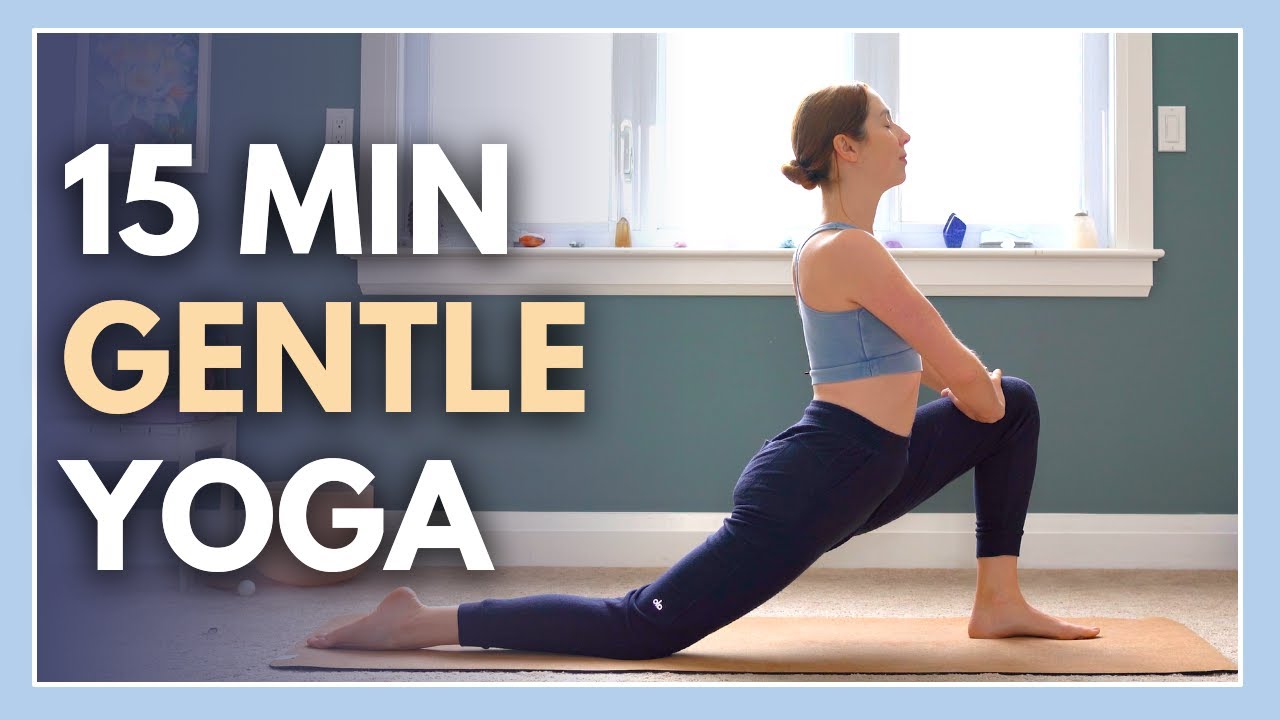
Have you been stretching the same tight hips for months with nothing to show for it? Here’s the reason: you can improve flexibility with gentle yoga far more effectively than by forcing a deeper stretch, because tight hips and a stiff lower back are usually your nervous system holding muscles in a protective brace, not tissue that’s physically too short. This 15-minute video works with that mechanism instead of fighting it, using slow, sustained holds that give your body permission to let go.
This video originally appeared here: 15 min Gentle Yoga for Flexibility & Stress Reduction
Watch it once and you’ll notice the pace is deliberately unhurried. That’s the point, not a flaw.
Why gentle beats forceful for Glasgow desk workers
If you sit at a desk for eight hours a day, your hip flexors and lower back aren’t just short, they’re guarded. Your nervous system has learned that bending forward or twisting might trigger pain, so it tightens muscles pre-emptively, long before you actually reach your end range. That protective response is closely tied to the stretch reflex, which fires faster and harder when your body expects trouble.
The common advice is to hold longer and push deeper. In our experience, that misses the point entirely. Pushing into a guarded muscle confirms the very threat your body is bracing against, so it grips harder the next day.
Maliwan once worked with a client who couldn’t turn her head more than a few degrees after fifteen years at a desk. Nothing about her neck was structurally shortened. Once the guarding eased, the movement came back, and she cried a little because she’d forgotten what free movement felt like.
Jariya sees the same pattern in clients who’ve been to several therapists for recurring tightness. Once she maps where the body is compensating, such as a hip pulling the whole posture forward, it’s clear the guarding is protective, not structural. The slow holds in this video give your nervous system time to register that movement is safe, which is why gentle stretching often unlocks more range than forcing a deeper position ever will.
If you’d rather have that guarding worked on directly, get in touch to book your appointment with Maliwan or Jariya at Glasgow Thai Massage.
What to look for in this video
Pay attention to how each pose is held rather than how deep it goes. The instructor prioritises breath and stillness over intensity, which is exactly what teaches habitual guarding to switch off. Watch your breathing too.
Clients often hold their breath halfway through a stretch without noticing, and that alone tells you the body hasn’t settled yet.
Runners and poor sleepers in Glasgow will recognise the hip and lower back sequences especially, since both groups tend to carry tension in the same areas without realising it. If you’ve walked up West Nile Street after a long shift and felt your hips tighten with every step, this is the sequence for you. The NHS guidance on staying active makes the same case: regular, moderate movement does more over time than occasional hard effort.
If these stretches ease things but you still feel that stubborn tightness returning, hands-on work can finish what gentle yoga starts. Book a Thai massage session at the Glasgow Thai Massage studio in the city centre, where sen line work and assisted stretching target the muscle guarding that a video alone can’t always reach. Many clients pair the two for lasting results.
Try the video this week, then let us take the work further. Call us now to arrange your visit, or book online in under a minute.