
Is Aromatherapy Massage Safe? What Professionals Need You to Know
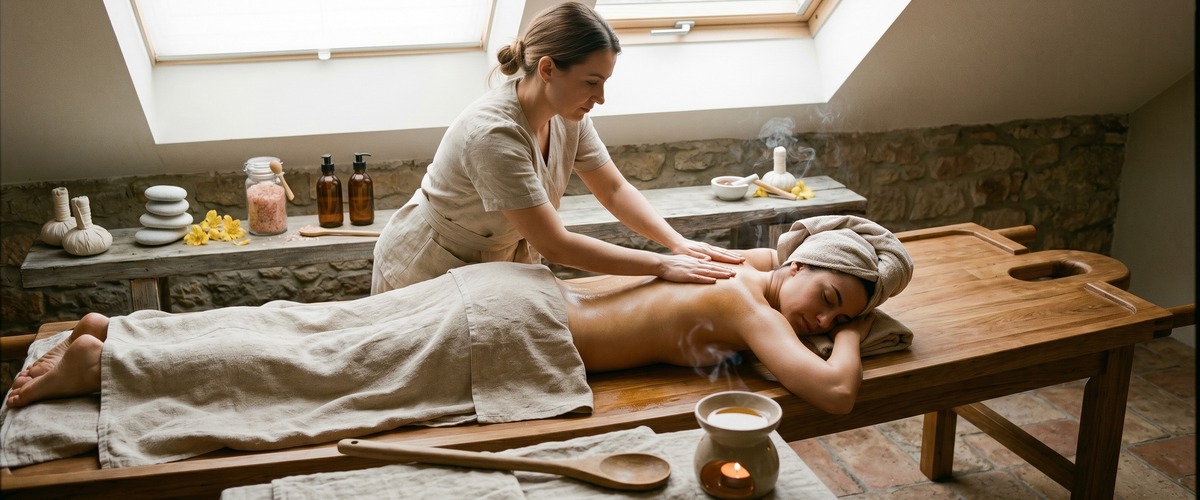
Aromatherapy in Massage in Glasgow: Is “Natural” the Same as Safe?
The most common assumption people bring to a session is that because essential oils are plant-derived, they are automatically safe. That assumption is exactly why professional therapists spend time most clients never see, before the appointment begins, reviewing health history, screening for medications, and selecting oil blends and dilution ratios with care.
Aromatherapy massage is safe for the vast majority of people, and the research supports this. A 2020 overview published on PubMed Central reviewed multiple clinical studies on lavender aroma massage. It found a good safety profile when general precautions are followed.
That qualifier matters. Safety in aromatherapy comes from professional practice, not from the plant origin of the oils.
You can book a session online with Glasgow Thai Massage and include health notes or sensitivities in the booking form before you arrive.
How Aromatherapy Massage Works: Skin and Breath Together
When diluted essential oils are massaged into warm skin, two routes of absorption work at the same time. Tiny compounds pass through pores and hair follicles into the bloodstream. Massage increases circulation, which speeds this process.
At the same time, some compounds evaporate from the skin. These reach the nose and send signals to the brain areas that control stress, emotion, and memory.
This dual pathway is why a Thai aromatherapy massage at Glasgow Thai Massage does more than a diffuser can. The physical contact increases skin absorption. The massage also primes the nervous system to respond to the oils.
Why Aromatherapy Massage Dilution Is Non-Negotiable
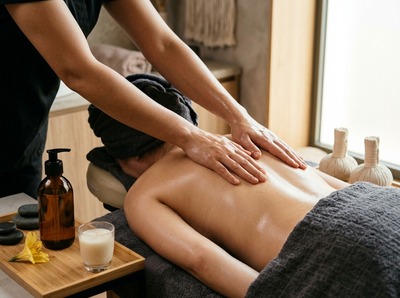
No professional therapist applies essential oils directly to skin. The standard is to dilute them in a carrier oil — jojoba, sweet almond, or grapeseed are common choices.
For most adults, that means a 2 to 3 percent concentration. That equates to roughly 15 to 20 drops of essential oil per ounce of carrier.
Higher concentrations exist for targeted use on small areas, but they need a clear clinical reason. Getting dilution wrong leads to skin irritation, rashes, and sun sensitivity.
The common belief is that a stronger blend means a better result. It does not. A higher concentration raises the risk of a skin reaction without improving the treatment effect.
In our experience, clients who’ve tried home aromatherapy before their first visit often arrive with irritated skin. The culprit is almost always concentration. Home kits rarely specify dilution ratios, and undiluted application is far more common than it should be.
Essential Oil Massage Treatment in Glasgow, Scotland
Glasgow’s typically overcast climate offers a small advantage with light-sensitive oils. Citrus oils — bergamot, lemon, orange — increase UV sensitivity for several hours after application.
Lower average sun intensity here reduces that risk. Even so, therapists still advise avoiding prolonged sun exposure after any citrus-blend session.
Oils That Require Professional Judgement
Not all essential oils are safe at higher concentrations. Pennyroyal, wormwood, sassafras, camphor, and mugwort all appear on avoidance lists.
These oils can harm the liver, the nervous system, or trigger uterine contractions. A proper intake process filters them out before they reach the treatment room.
Maliwan founded Glasgow Thai Massage and trained at Wat Pho in Bangkok. With over 20 years of experience, she consults with every new client before selecting a single oil.
That conversation covers current medications, skin sensitivities, stress levels, and reproductive health. The intake is not a formality — it is where the actual treatment begins.
In Maliwan’s words: “The oil a client asks for and the oil that suits their body aren’t always the same thing. I’ve had clients request peppermint while on blood thinners — that pairing needs care. The consultation isn’t about saying no. It’s about finding the right yes.”
This careful approach also sets professional aromatherapy apart from less rigorous practices. Unlike cupping therapy, which has little solid research behind it, aromatherapy has a growing body of clinical studies. Multiple trials have found that lavender oil treatments cut anxiety significantly across large groups of participants.
If you are managing stress and muscle tension, aromatherapy massage is a strong match. Scent signals travel directly to the brain’s stress centre.
Who Should Take Extra Care Before Booking
Three groups require extra care rather than outright avoidance.
Pregnant clients. Avoid aromatherapy blends entirely in the first trimester. After that, dilutions drop to 1 percent or below. Only oils with a known pregnancy safety record are used.
People with allergies or asthma. Any known sensitivity to plant-based products should be disclosed at booking. A patch test 24 hours before the session is best practice for clients with reactive skin.
Those on prescription medication. Some essential oils interact with sedatives and blood thinners. Disclose all current medications during intake so the therapist can check before preparing the blend.
What to Tell Your Therapist Before You Arrive
An honest intake makes the difference between a safe, effective session and an avoidable reaction. Before booking at Glasgow Thai Massage, it helps to have the following ready:
- Known allergies or plant sensitivities
- Current medications
- Whether you are pregnant or trying to conceive
- Skin conditions such as eczema or rosacea
- Any strong preferences or strong aversions to particular scents
The practitioner will then select a blend suited to your situation rather than a default fragrance. One client at the practice, a shift worker managing poor sleep and anxiety, found that a monthly Thai aromatherapy massage using lavender oil became the anchor of her self-care routine. Within three months, her sleep improved and she felt calmer through her most demanding work nights. That outcome came from consistent treatment with the right oils for her physiology, chosen by a practitioner who knew her health history.
For a detailed guide to how individual oils are assessed for safety, see the essential oil safety index 2026. When you are ready to try it, book your session online.