What Makes Thai Massage So Special?
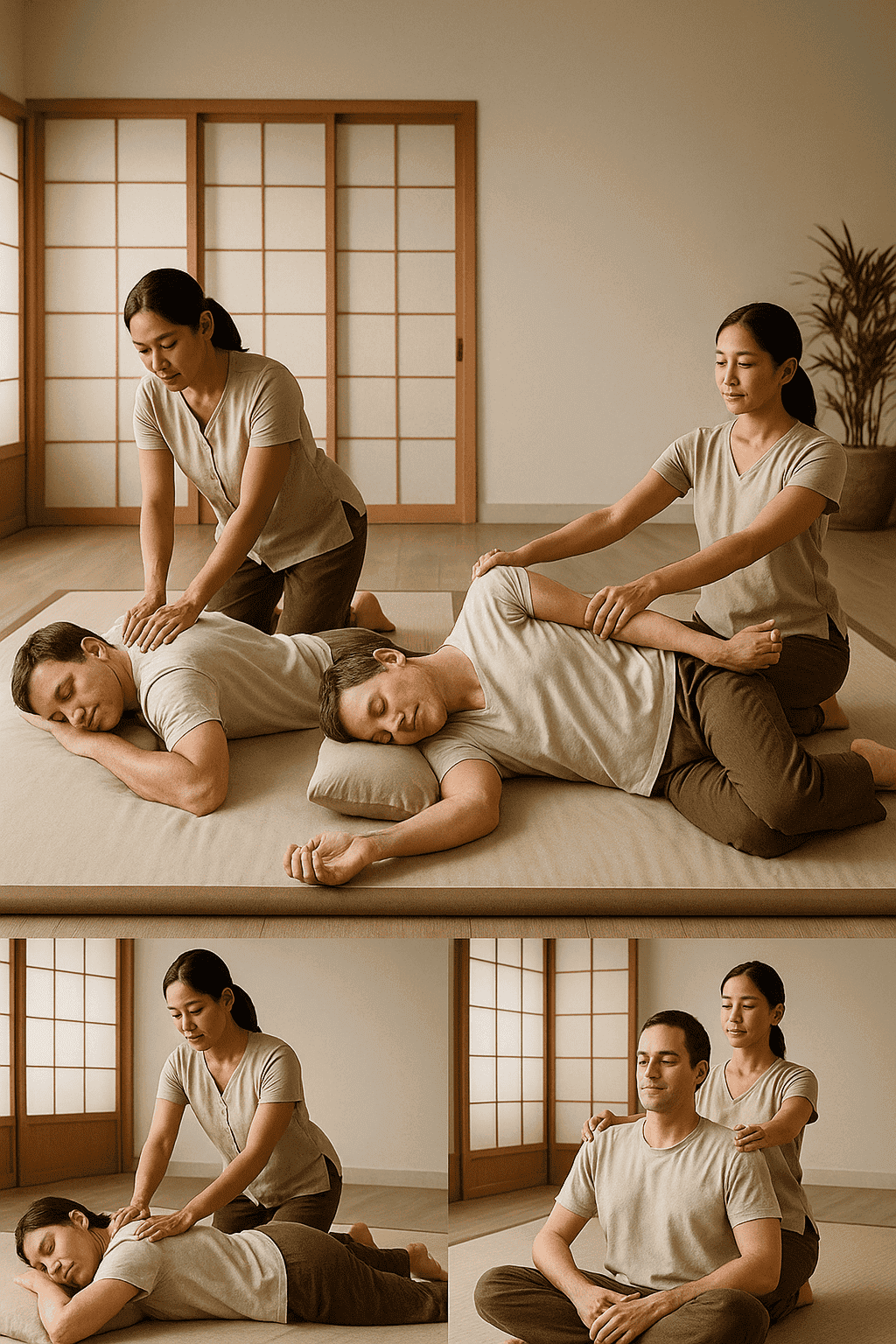
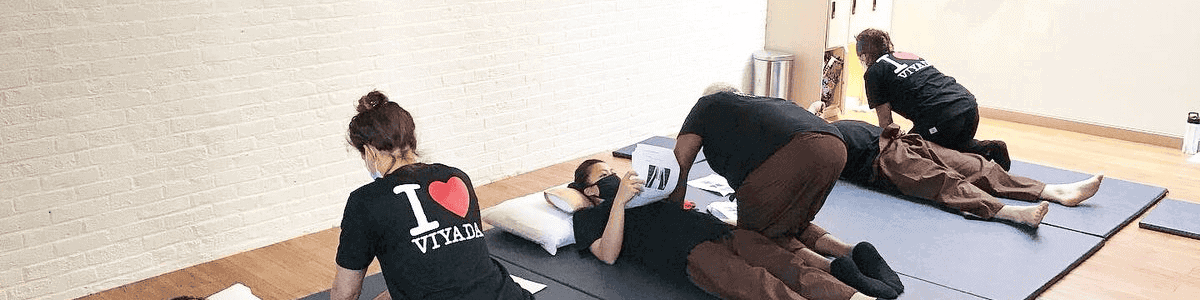
If you have only ever had an oil-based Swedish or deep tissue massage, your first traditional Thai massage will feel like a different category of treatment altogether. You stay fully clothed, you work on a padded floor mat rather than a raised table, and instead of long gliding strokes the therapist moves you through a sequence of assisted stretches and rhythmic compressions. It is closer to having yoga done to you than to the spa massage most people picture.
At Glasgow Thai Massage, the work follows the Wat Pho tradition. Maliwan trained at the temple’s massage school in Bangkok — Wat Pho is widely regarded as the home of the discipline and was recognised by UNESCO in 2019 when Nuad Thai (traditional Thai massage) was inscribed on its Representative List of the Intangible Cultural Heritage of Humanity. With more than 20 years of practice, she works the technique as it was taught rather than a watered-down version of it. Here is what genuinely sets it apart, and how to decide whether it is the right treatment for you.
You stay clothed, on a floor mat
The two most visible differences are practical ones. There is no disrobing and no oil — you wear loose, comfortable clothing you can move and stretch in, much like a yoga class. For anyone who finds the undressing part of a conventional massage uncomfortable, that alone removes a real barrier.
The floor mat is not a budget version of a table; it is what the technique requires. Many Thai massage movements involve the therapist using their body weight, forearms, knees and feet to apply pressure, and rocking you through positions you simply cannot reach safely on a narrow raised table. Lying on the floor, low and stable, the practitioner can move around your whole body and lever a stretch with control. Take the table away and a large part of the repertoire becomes impossible.
Movement and assisted stretching, not gliding strokes
This is the core of it. A Swedish or deep tissue massage is mostly static: you stay still while the therapist works over your muscles. Thai massage is dynamic. The therapist guides your limbs and torso through a series of passive stretches — opening the hips, lengthening the hamstrings, gently rotating the spine — combined with palm and thumb pressure along the muscles.
Because the stretching is passive, you are not holding the positions yourself, so your muscles can relax into a fuller range than you would reach unaided. That is why it can suit people who sit at a desk all day, drivers, and anyone whose hips and lower back feel permanently tight. For a fuller breakdown of the stretching side of the work, see our guide to Thai yoga massage stretching techniques.
Pressure along the energy lines (Sen)
Traditional Thai massage maps the body using Sen — energy lines that run throughout the body, of which ten main lines (the Sip Sen) are used in practice. The therapist applies pressure at points along these lines while moving you through the stretches. You do not need to subscribe to any belief about energy for the treatment to be useful: in practical terms, the Sen lines closely track the body’s muscles, fascia and nerve pathways, so working along them is a structured way of covering the areas that hold tension.
What a session is actually like
You start with a short conversation about how you feel and where you are sore or restricted — this matters, so be specific. You then lie on the mat and the therapist works through a flowing sequence, typically starting at the feet and legs and moving up through the back, shoulders, arms, hands and neck. The pace is unhurried and the pressure is adjusted to you; a good practitioner checks in and you can always ask for firmer or gentler work. A full traditional session usually runs 60 to 90 minutes because the sequence is thorough.
What it may help with
Thai massage is best thought of as supportive care rather than a cure. Research and clinical experience suggest it may help with:
- Flexibility and range of motion — the assisted stretching can ease tight hips, hamstrings and shoulders.
- General muscle tension and everyday aches, including desk-related neck and back pain.
- Stress and a busy mind — the slow, rhythmic rocking has a settling effect.
- Recovery between training sessions, as part of a wider routine.
These are realistic expectations, not guarantees, and how much you notice varies from person to person. Thai massage is not a substitute for medical care: if you have sharp, severe, or persistent pain — particularly anything radiating down a leg or with numbness or tingling — get it assessed by a GP or physiotherapist before booking, and tell us about any injuries, pregnancy or conditions like osteoporosis so we can adapt the work safely.
Is it the right treatment for you?
Choose Thai massage if you want to feel looser and more mobile, you carry tension from sitting or driving, or you simply prefer staying clothed. If you are mainly chasing one deep, localised knot, a different modality may suit better — our overview of the types of Thai massage explains the variations and how they compare. Either way, the best results come from telling the practitioner exactly where the trouble is.
When you are ready, book a session and Maliwan will tailor the work to what your body needs that day.
Frequently asked questions
Does Thai massage hurt? It should be firm but not painful. The stretches can feel intense at the edge of your range, and pressure on a tight area can be tender, but you should never grit your teeth through it. Tell the therapist and the pressure is adjusted — discomfort that makes you tense up is counterproductive.
Do I really stay fully clothed? Yes. Wear loose, comfortable clothes you can stretch in. There is no oil and nothing to remove, which is one reason people who feel awkward about conventional massage find Thai massage easier to try.
How is it different from a deep tissue or sports massage? Deep tissue and sports massage are oil-based, table-based and largely static, targeting specific muscles with sustained pressure. Thai massage is clothed, floor-based and movement-led, combining pressure with assisted stretching across the whole body. They solve overlapping problems by different means.