The Science Behind Massage Therapy
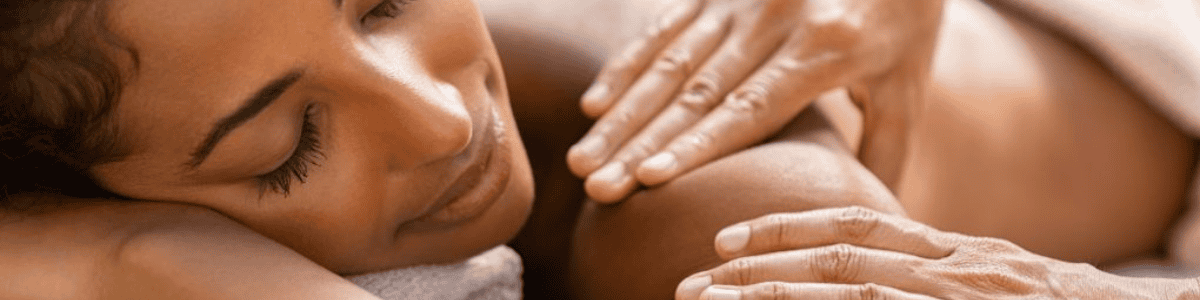
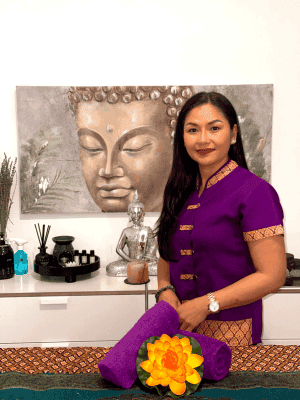
Therapeutic touch is one of the oldest things humans do for one another, and one of the most studied. Manual therapies appear in medical writing from ancient China, India and Greece — the Greek physician Hippocrates, writing around 400 BC, noted that a physician must be experienced in “rubbing” to loosen a stiff joint. At Glasgow Thai Massage, Maliwan draws on the Wat Pho tradition she trained in at the temple’s massage school in Bangkok, refined over more than twenty years of hands-on practice. What follows is the practical science of why skilled touch eases pain, and how that applies to the aches a Glasgow reader is most likely to bring through the door.
How Touch Changes a Pain Signal
Pain is not a simple readout from the body. It is a signal the nervous system constructs, and that signal can be turned up or down on the way to the brain. The most established explanation for why massage helps is the gate-control theory of pain, first proposed by Ronald Melzack and Patrick Wall in the journal Science in 1965. Their model describes a “gate” in the spinal cord: large-diameter nerve fibres carrying pressure and touch sensation can crowd out the slower fibres carrying pain, effectively closing the gate on some of that pain traffic.
This is the same reflex behind rubbing a knock or a stubbed toe — it genuinely dampens the sensation. Sustained, skilled pressure does it more thoroughly and for longer. It is one reason a treatment can leave an area feeling calmer well after the session ends, rather than only during it.
Circulation, Tension and the Mechanics of Relief
Beyond the nervous system, massage works mechanically on the soft tissue itself.
- Circulation. Pressure and movement help move blood and lymph through an area. Better local circulation supports the delivery of oxygen and the clearance of metabolic by-products from working or recovering muscle, which can ease that heavy, congested ache.
- Tension release. Muscle that has been guarded or overworked holds tone even at rest. Direct pressure and stretch can reduce that resting tension, restoring a more normal length and easing the pull on nearby joints. If you are curious about the physiology of those tender bands, this guide on why muscle knots form goes into detail.
- Mobility. As tension drops, range of motion often improves, which lets you move more freely and reduces the compensations that cause secondary aches elsewhere.
There is also a measurable relaxation response. A 2010 study in the Journal of Alternative and Complementary Medicine found a single session of Swedish massage produced changes in stress hormones and immune markers, including reduced cortisol. That down-regulation of the stress response is part of why the relief feels whole-body, not just local.
What the Evidence Says About Pain
The research base is strongest for musculoskeletal pain. A trial published in Annals of Internal Medicine in 2011 found that structured massage helped adults with chronic low back pain, with meaningful benefit still present at the six-month follow-up. A 2016 systematic review by the Samueli Institute, examining massage across multiple pain conditions, concluded it may be beneficial for pain and for function.
The honest framing matters here: massage may ease pain and support recovery, but it is not a cure and results vary from person to person. It works best as one part of a wider plan — alongside movement, sensible loading and, where needed, proper medical care.
Matching the Technique to the Problem
Different complaints call for different approaches, which is why it is worth booking the right treatment rather than a generic one.
- Lower-back and sciatic pain. Targeted work combining acupressure and assisted stretching often helps here. See our guides on Thai massage for back pain and on Thai massage for sciatica.
- Tight, knotted muscle from training or desk work. Firmer, focused pressure into the deeper layers suits this — deep tissue massage is built for it.
- Stiffness and restricted movement. The assisted-stretch element of traditional Thai work is its real strength; Thai yoga stretching techniques explains how it changes how the body moves.
If you are unsure which fits, say so when you book a session — describing where it hurts and what brings it on tells Maliwan far more than the name of a technique.
Practical Takeaways
- Touch eases pain partly by closing the gate-control “gate” on pain signals, and partly by improving circulation and releasing held muscular tension.
- Use cautious expectations: massage may help and can ease discomfort, but it is a support, not a guaranteed fix.
- Drink water afterwards, move gently, and give an area a day or two if it feels worked.
- Red flag: pain that is severe, getting steadily worse, or comes with numbness, weakness, or loss of bladder or bowel control needs prompt medical assessment, not a massage. When in doubt, see your GP first.
Common Questions
Does massage actually relieve pain, or just feel nice? Both. The relaxing feeling is real, but there is a physiological basis behind it — the gate-control effect on pain signalling, improved local circulation, and reduced muscle tension. The relief from a good treatment typically outlasts the session itself.
How often should I have a massage for ongoing pain? It depends on the problem. For an acute flare, a short series of sessions close together often helps; for general maintenance, many people find a session every few weeks keeps things settled. Maliwan will suggest a sensible rhythm based on what she finds.
Can massage replace seeing my doctor? No. Massage can sit alongside medical care, but it does not replace a diagnosis. Anything severe, persistent or accompanied by numbness, weakness or other neurological signs should be assessed by a GP or appropriate clinician first.