The Real Side Effects of Thai Massage (And What Actually Helps)
The Real Side Effects of Thai Massage: What’s Normal and What Isn’t
The real side effects of Thai massage are almost always mild: soreness, tiredness, and light bruising that fade within a day or two. Genuine adverse reactions, the kind that need more than rest, are rare, and they look nothing like ordinary next-day stiffness.
Most guides on this topic either wave off every ache as “part of the process” or list frightening-sounding risks with no way to tell which apply to you. This one does neither. Below, each effect is sorted into normal recovery or genuine reaction, with a concrete step for what to actually do about it.
That difference comes up constantly with first-time clients at Glasgow Thai Massage. Maliwan finds that most of the worry is not really about soreness. It is about intensity.
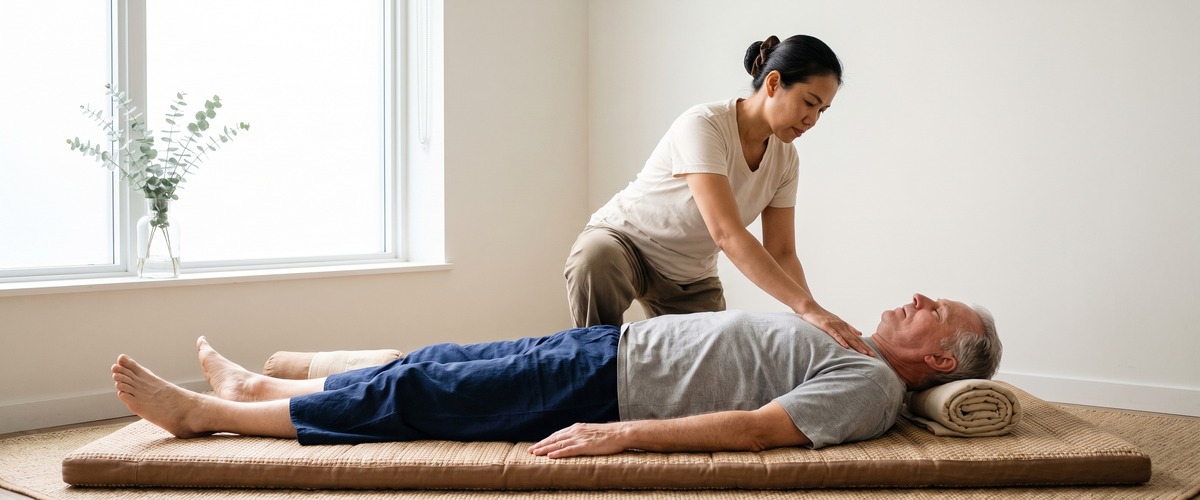
One man arrived sure that traditional Thai massage would be too much for him. He had heard stories about being folded into extreme positions. Once he realised he stays fully clothed and sets the pressure himself, he relaxed completely.
He now books a session every month. How much pressure you agree to at the start has a lot to do with how sore you feel afterwards. That is worth knowing before you book your appointment online.
Soreness similar to a deep tissue or sports massage
This is the most common reaction. It is the same delayed ache you would feel after a firm deep tissue massage or a sports massage, because both use steady pressure to work into tight muscle.
Sports scientists call it delayed-onset muscle soreness. Research shows it usually peaks between 24 and 72 hours after hard tissue work and clears within about a week (systematic review, Frontiers in Physiology).
Drink water and move gently rather than staying still all day. A warm bath that evening usually settles it faster than doing nothing at all. If recovery interests you, we go deeper into it in how massage boosts recovery.
Bruising along the sen lines
Traditional Thai massage works along the body’s sen energy lines. These are pathways the therapist presses and stretches along, rather than kneading one muscle group.
Because that point pressure is held, some clients bruise more visibly than they would after a lighter treatment. The calves and thighs show it most.
Light bruising fades within a few days. Arnica gel helps, and so does keeping direct heat off the area for the first 24 hours.
Feeling drained, teary, or oddly emotional afterward
A session can leave you flatter or more tender than you expected. That is common if you were holding tension without knowing it.
Jariya has noticed something in the room that no warning list mentions. Clients who arrive stressed and wound tight are often breathing high and shallow, and they only realise it when she points out, halfway through, that their breathing has dropped and slowed.
The release that follows can feel surprisingly emotional. Give yourself an unhurried hour after your session rather than heading straight back to a desk.
A dull headache or mild queasiness
This one is less common but still ordinary. A mild headache or slight nausea can follow a longer or more intense session.
It is often linked to dehydration, or to a sudden drop in tension you were not expecting. It settles within a few hours for most people.
A glass of water and something to eat within the hour is usually enough. Avoid jumping straight into a stressful afternoon.
Why does my joint still hurt two days after Thai massage?
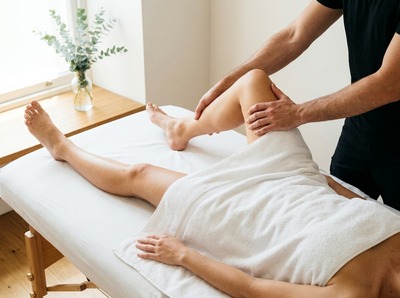
This is where the line between normal and genuine starts to matter. In assisted stretching, the therapist moves your limb through a stretch rather than asking you to do it yourself.
That occasionally takes a joint slightly further than it is used to. A hip or shoulder that was already tight is the usual candidate, and a little tenderness for a day is ordinary.
Pain that is still sharp after 48 hours is not ordinary. Nor is pain that limits how you move.
Tell your therapist at your next Thai sports massage or Thai massage session. The pressure and stretch depth can then be adjusted for next time.
The genuine warning signs to actually watch for
A true adverse reaction looks different from ordinary soreness. Watch for swelling that keeps building rather than fading.
Watch for one leg turning hot, red, or clearly more painful than the other. Watch for numbness that has not lifted after a day or two.
Here is the reassuring part, and it is a number most warning lists leave out. The published review of Thai traditional massage complications is built on a handful of individual case reports, not a run of routine sessions gone wrong (Wiwanitkit, Ancient Science of Life).
Those rare serious cases, such as a fracture or a compressed nerve, came from unusually forceful technique applied to a body that could not tolerate it. In our own practice we have logged no case of this kind across more than 20 years of sessions in Glasgow.
That is the true scale of the risk. It is why we would rather you spent your attention on the three signs above than on a long list of frightening maybes.
One-sided leg pain and swelling in particular can be an early sign of deep vein thrombosis. That is a blood clot in a deep vein, and it needs medical attention rather than home care (NHS).
If you take blood thinners, are pregnant, or manage a clotting condition, mention it before you book your session so the pressure can be set right from the start.
Most of what people worry about after Thai massage in Glasgow turns out to be simple. The body is doing exactly what it should: letting go of tension it has held for weeks.
The rare exceptions are easy to spot once you know what they look like. They are worth taking seriously precisely because they are so uncommon.
Knowing the difference means you can stop second-guessing an ordinary ache, and actually notice if something needs real attention.
Found this useful? Add blog.glasgowthaimassage.co.uk as a preferred source on Google so our latest guides show up first for you in Search and AI Overviews.