Discover The Fascinating Contrast: Thai Massage Vs. Swedish Massage Unveiled
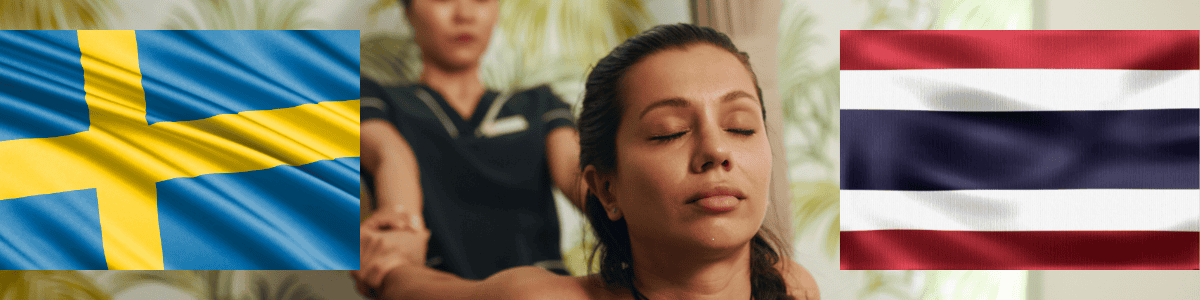
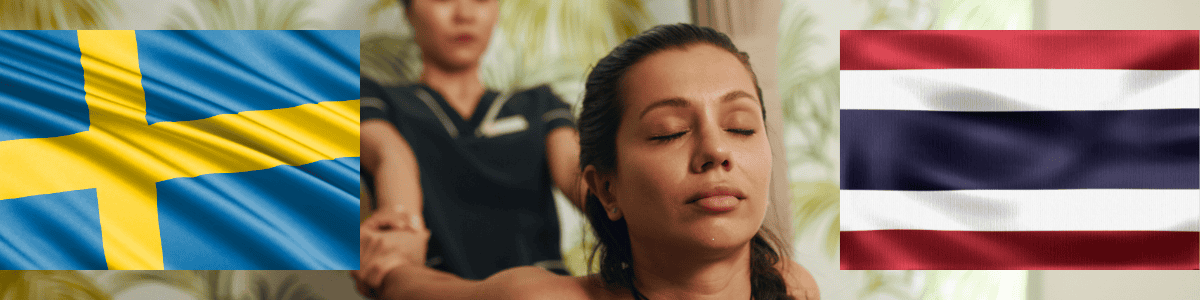
Thai Massage vs Swedish Massage: Which One Is Right for You?
Both Thai and Swedish massage relieve tension and help you feel better, but they go about it in very different ways. They use different positions, different pressure, and even different clothing. Choosing the right one depends on what you actually want from the session: a deep, active stretch, or a calm, soothing wind-down.
At Glasgow Thai Massage, treatments are delivered by Maliwan, who trained at the Wat Pho temple in Bangkok — the recognised home of traditional Thai massage — and has more than 20 years of hands-on experience. The comparison below draws on that practitioner background to help you decide.
The core difference in one table
| Thai massage | Swedish massage | |
|---|---|---|
| Where it began | Thailand, with roots in Ayurvedic and traditional Thai medicine over 2,500 years ago | Developed in early 19th-century Europe, often credited to Per Henrik Ling |
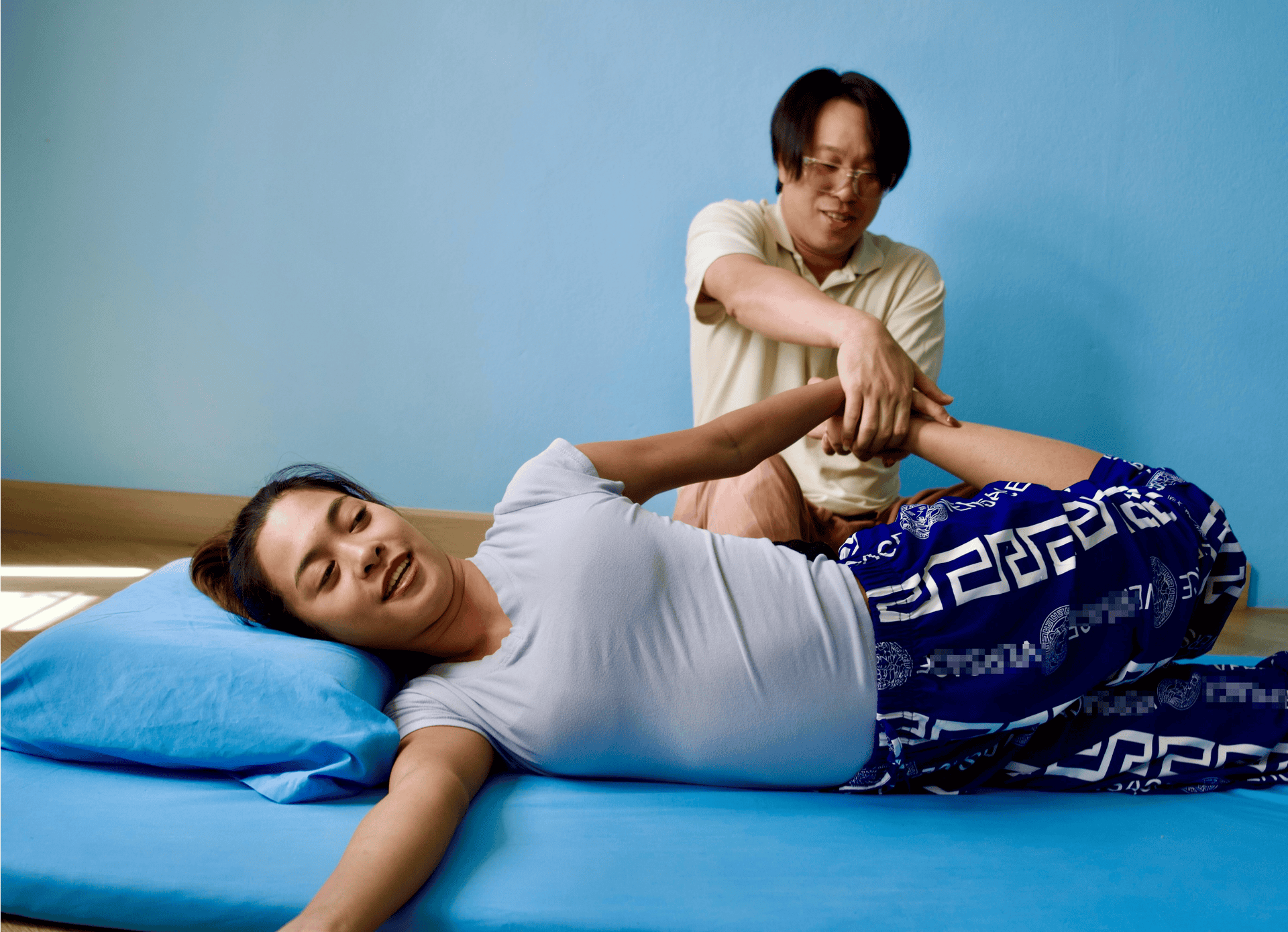
| Clothing | Stay fully clothed in loose, comfortable wear | Undress to your comfort level; draped with a towel or sheet |
| Surface | A firm mat on the floor | A padded massage table |
| Oil | None | Massage oil or lotion |
| Main techniques | Acupressure, rhythmic compression, and assisted yoga-like stretches | Gliding (effleurage), kneading (petrissage), and friction strokes |
| Typical feel | Active and invigorating; you are moved and stretched | Passive and calming; you lie still and relax |
| Best for | Stiffness, limited mobility, energy and flexibility | Stress, general relaxation, muscle soreness |
How Thai massage works
Thai massage is performed on a mat with you fully clothed. Rather than rubbing the muscles with oil, the therapist uses palms, thumbs, elbows, forearms and feet to apply firm, rhythmic pressure along the body’s energy lines, known in Thai tradition as sen. This is combined with assisted stretches that gently open the hips, shoulders, back and legs — which is why it is sometimes described as “lazy yoga”.
The result is more dynamic than a typical Western massage. You may feel your range of movement improve during the session, and many people find it can help with stiffness and tension that builds up from desk work or repetitive strain. If you want to understand the variety within this tradition, our guide to the different types of Thai massage breaks them down.
How Swedish massage works
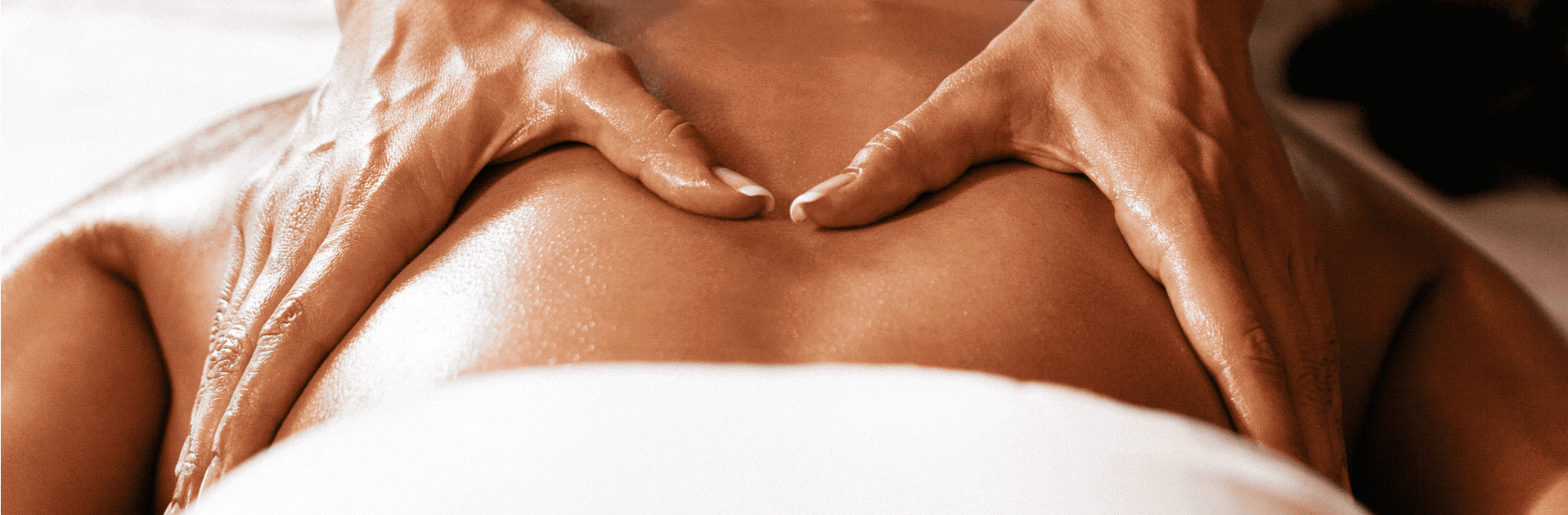
Swedish massage is the style most people in the UK picture when they think of a “classic” massage. You lie on a padded table, undressed to your comfort level and covered with a towel, while the therapist uses oil to perform long gliding strokes, kneading and circular friction. The work stays on the soft tissue rather than moving your joints through stretches.
Because the strokes are smooth and continuous, Swedish massage is often the more relaxing of the two. It can support better circulation and may help ease everyday muscle soreness and stress. If your interest is in firmer, more targeted pressure on specific knots, that crosses into deep tissue territory — explained in our piece on what deep tissue massage is.
Intensity: what to expect
Neither style has to be painful, and a good therapist will always adjust pressure to suit you.
- Thai massage can feel intense in the stretches and along pressure points. It is active work, so you may feel pleasantly worked the next day, similar to after a yoga class. Tell your therapist if a stretch goes beyond a comfortable limit.
- Swedish massage is gentler and more uniform. Pressure can be light to medium, and the experience is generally calming from start to finish.
How to choose
A few simple questions usually make the decision clear:
- Do you want to stay clothed and avoid oil? Choose Thai.
- Do you want to lie still and switch off completely? Choose Swedish.
- Is stiffness or limited flexibility your main complaint? Thai’s assisted stretching is built for that.
- Are stress and general tension the issue? Swedish’s flowing strokes are ideal.
- Recovering from an injury or unsure? Speak to a practitioner first, and always mention any medical conditions, recent surgery or pregnancy before any massage.
If you are curious about the deeper history and philosophy behind the Thai approach, our article on the ancient healing roots of Thai massage is a good next read.
The takeaway
There is no single “better” massage — only the one that fits what your body needs today. Thai massage is the active, clothed, stretch-led option that suits stiffness and flexibility. Swedish massage is the still, oil-based, deeply relaxing option for stress and soreness. Many people benefit from alternating between the two depending on how they feel.
When you are ready, you can book a session with Maliwan and we will help you choose the right treatment on the day.
Frequently asked questions
Is Thai massage more painful than Swedish massage?
Not necessarily. Thai massage is more active because of the stretching and firm pressure, so it can feel more intense, but it should never be painful. A good therapist adjusts the pressure and depth of each stretch to your comfort. Swedish massage is generally the gentler, more soothing of the two.
Do I need to undress for Thai massage?
No. Thai massage is done fully clothed in loose, comfortable clothing on a mat, with no oil. Swedish massage is the one where you undress to your comfort level and are covered with a towel while oil is applied.
Which should I choose for stress and relaxation?
For pure relaxation and switching off, Swedish massage is usually the better fit thanks to its slow, flowing strokes. If your tension comes from stiffness and poor mobility, Thai massage may serve you better by combining pressure work with assisted stretching.