Thai Massage – What You Need To Understand
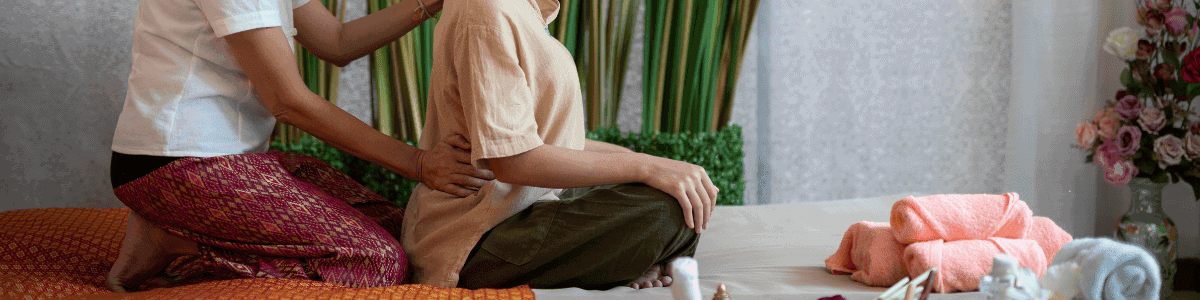
Traditional Thai massage is often misunderstood. People expect a gentler version of the oil massage they’ve had before — lying still while a therapist works on their back. Thai massage is a different practice entirely. It’s done fully clothed on a floor mat, it uses no oil, and a large part of the work is the therapist moving your body through assisted stretches while applying pressure along specific lines. At Glasgow Thai Massage, Maliwan trained in this tradition at Wat Pho in Bangkok and has over 20 years of practice behind her, so the version offered here is the authentic form rather than a watered-down spa imitation.
This article sets out what traditional Thai massage actually is — where it comes from, the techniques involved, and what it may help with — so you can decide whether it’s right for you.
Where Thai Massage Comes From
Thai massage, known in Thai as nuad boran (“ancient massage”), developed over many centuries within Thailand’s temples as part of traditional Thai medicine. Its spiritual founder is traditionally named as Jivaka Komarabhacca, a physician associated with the Buddha’s lifetime, and the practice was preserved and taught in Buddhist temples for generations.
The most important of these temples is Wat Pho (the Temple of the Reclining Buddha) in Bangkok, long regarded as Thailand’s leading centre for the teaching of traditional massage. In 2019, UNESCO inscribed nuad Thai — traditional Thai massage — on its Representative List of the Intangible Cultural Heritage of Humanity, formal recognition of how deeply the practice is woven into Thai culture. Maliwan completed her training in this Wat Pho lineage, which is why the technique you receive in Glasgow follows the temple tradition rather than a modern reinterpretation.
What Actually Happens: The Techniques
Three things distinguish traditional Thai massage from Western styles such as Swedish or deep tissue work.
Sen lines. Thai medicine maps the body with a network of energy channels called sen. A practitioner works methodically along these lines rather than focusing only on the muscle a client points to. If the idea of energy lines feels abstract, it’s worth knowing the routes closely track major muscle groups and nerve pathways, so the practical effect is broad, structured coverage of the whole body.
Acupressure. Using thumbs, palms, elbows, knees and sometimes feet, the therapist applies firm, sustained pressure to points along those lines. This is the part that can feel intense, and it’s where stubborn areas of tension are addressed. If you’ve ever wondered why a tight spot keeps returning, our piece on why muscle knots form explains the mechanism and how massage works on it.
Assisted stretching. This is the signature of Thai massage and the reason it’s sometimes called “lazy yoga”. The therapist guides your limbs and torso through passive yoga-like stretches while you stay relaxed and do nothing yourself. Because you’re not holding the positions, the muscles can lengthen without the tension you’d create stretching on your own. If the stretching side appeals to you most, Thai yoga massage stretching techniques goes into it in more detail.
A full session typically runs 60 to 90 minutes, and the slow, rhythmic pace is part of the method rather than padding.
What Thai Massage May Help With
The benefits people commonly seek from Thai massage are physical and mental, and the evidence is best described as encouraging rather than conclusive.
On the physical side, the combination of stretching and pressure may help ease muscular tension, improve range of movement, and relieve stiffness in the back, shoulders and hips. A 2015 randomised study published in the Journal of Bodywork and Movement Therapies found Thai massage and joint mobilisation produced comparable improvements in people with chronic low back pain associated with myofascial trigger points. If lower-back tightness is your main concern, see Thai massage for back pain, or our fuller guide to sciatica and lower back pain.
On the mental side, the slow pace and rhythmic pressure can support relaxation and may help reduce feelings of stress and anxiety — useful if your tension sits as much in your shoulders as in your schedule. Our article on Thai massage for stress and anxiety covers this in depth.
Two honest caveats. First, massage of any kind supports wellbeing — it does not cure medical conditions, and benefits vary from person to person. Second, if you have severe, persistent or worsening pain, numbness, or any new symptom you can’t explain, see a GP or physiotherapist for assessment before booking a massage. Thai massage works best alongside proper medical care, not instead of it.
Is Thai Massage Right for You?
Thai massage suits you well if you carry tension in your muscles, feel stiff and short on mobility, or simply want a treatment that’s more active and engaging than lying under a towel. The deep stretching makes it especially popular with people who sit at a desk all day or train regularly.
It may not be the right choice if you’re pregnant, recovering from a recent injury or surgery, or managing a condition such as osteoporosis or uncontrolled high blood pressure. None of these rule it out automatically, but they’re worth flagging when you get in touch so the session can be adapted. A good practitioner will always check before starting and adjust the pressure and stretches to suit you.
Practical Takeaways
- Traditional Thai massage is done clothed, on a floor mat, with no oil — wear loose, comfortable clothing you can stretch in.
- It combines acupressure along sen lines with assisted stretching; expect firm pressure and movement, not a passive oil massage.
- It may help with muscular tension, stiffness, mobility and stress — but it supports wellbeing rather than treating medical conditions.
- Flag any health conditions, injuries or pregnancy when you book so the treatment can be adapted.
- For persistent or severe symptoms, get a medical assessment first.
If you’d like to experience the authentic Wat Pho tradition in Glasgow, you can book a session with Maliwan.
Frequently Asked Questions
Does Thai massage hurt? It can feel intense in tight areas because the pressure is firm and the stretches go to the edge of comfortable range. It should never be painful, though. Pressure is always adjustable, so tell your practitioner if anything is too much and it will be eased.
Do I need to be flexible to have a Thai massage? No. The therapist moves your body for you and works within your range, not beyond it. Many people who feel stiff find the assisted stretching is exactly what helps — flexibility tends to be an outcome of the treatment, not a requirement for it.
How is Thai massage different from a deep tissue massage? Deep tissue massage uses oil and focuses on releasing tight muscle layers while you lie still. Thai massage is done clothed without oil and adds assisted stretching and acupressure along the body’s energy lines. If you’re weighing them up, what is deep tissue massage sets out the comparison.