Why Does Back Pain Strike When You Least Expect It? The Hidden Culprits Revealed

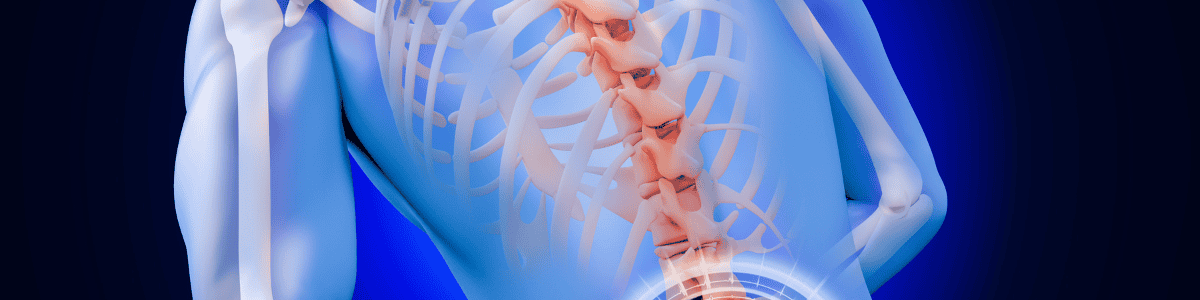
Lower back pain is one of the most common complaints we see at Glasgow Thai Massage, and one of the most misunderstood. When the back seizes up, most people assume something has gone wrong with the spine itself — a slipped disc, a worn joint, structural damage. Sometimes that’s the case. But for the majority of people, the cause is mechanical and muscular, and the real contributors are often not where the pain is felt.
According to the National Institute for Health and Care Excellence (NICE), around 85% of lower back pain is “non-specific” — meaning no single structural cause can be identified. The pain is real, but it usually stems from how the soft tissue around the spine is loaded, held and stressed day to day. That distinction matters, because muscular tension is something massage is genuinely well suited to address.
Why the Cause Is Rarely Where the Pain Is
The lower back doesn’t work in isolation. It sits at the centre of a chain of muscles running from the feet up through the hips, pelvis and spine. When one link in that chain is tight or weak, the lower back often ends up compensating — and that’s where you feel it.
A few of the most commonly overlooked muscular contributors:
- Tight hip flexors. Hours of sitting shorten the muscles at the front of the hip. When you stand, they tug the pelvis forward and pile pressure onto the lower back. This is one of the most under-recognised drivers of desk-related back pain.
- Weak or overstretched glutes. When the buttock muscles aren’t pulling their weight, the lower back muscles take over jobs they were never designed for, and fatigue quickly.
- The quadratus lumborum (QL). This deep muscle running between the lowest rib and the pelvis is a frequent source of one-sided lower back ache, especially in people who carry bags on one shoulder or sit with a leg tucked under.
- A tight piriformis. Deep in the buttock, this small muscle can refer pain down the leg and mimic nerve-related symptoms. We cover that pattern in more detail in our guide to Thai massage for sciatica.
In other words, treating only the spot that hurts often misses the muscle that’s actually creating the strain.
How Tension Becomes Pain
Muscles that are chronically overworked or held in a shortened position develop taut bands and tender points — what most people call knots. These can restrict movement, reduce local circulation and refer pain to other areas. There’s a full explanation of the mechanism in our article on why muscle knots form, but the short version is that tense muscle doesn’t simply relax on its own once a habit sets in. It needs movement, and often hands-on work, to release.
Stress plays a real role here too. The body’s response to mental stress includes muscular bracing — particularly around the lower back, hips and shoulders. Sustained over weeks, that low-grade tension is enough to leave the area sore and stiff without any single injury to point to.
How Thai Massage May Help
Thai massage is well suited to muscular lower back pain because it works the whole chain, not just the painful spot. Maliwan, who trained in the traditional Wat Pho lineage in Bangkok and has more than 20 years of experience, combines firm acupressure along the body’s energy lines with assisted stretching that opens the hips, lengthens the hip flexors and mobilises the lower back through its natural range.
That stretching component is what sets the Thai approach apart from a standard table massage — it addresses the tightness in the hips and legs that often feeds back pain, rather than only kneading the sore muscles. You can read more about the technique itself in our guide to Thai yoga massage stretching, and how it applies specifically to the back in Thai massage for back pain.
To be clear about expectations: massage may ease muscular tension, improve mobility and reduce the discomfort that comes from tight, overworked soft tissue. It is not a treatment for structural spinal conditions, and it won’t cure underlying disc or joint problems. It’s one supportive part of looking after your back, alongside movement and good day-to-day habits.
Practical Takeaways
If your lower back tends to flare up, a few specific things tend to help more than generic advice:
- Break up sitting. Stand and move every 30–45 minutes. The goal is to stop the hip flexors from settling into a shortened position.
- Stretch the front of the hips, not just the back. A simple kneeling hip-flexor stretch often does more for lower back comfort than stretching the back itself.
- Strengthen the glutes and core. Stronger supporting muscles take load off the lower back. This is well covered in our active lifestyle and recovery guide.
- Keep moving when it aches. Current NICE guidance recommends staying active rather than resting in bed, which tends to stiffen the area further.
- Address the tension before it becomes chronic. A regular massage can help keep the surrounding muscles loose, particularly if your work or lifestyle keeps you seated for long stretches.
When to See a Doctor
Most muscular back pain settles with movement, time and care. But some symptoms warrant prompt medical assessment rather than massage. See your GP if back pain is severe, lasts more than a few weeks without improvement, or follows a significant fall or injury. Seek urgent medical attention if you have numbness around the saddle area, loss of bladder or bowel control, leg weakness, unexplained weight loss or fever alongside the pain — these can signal something that needs investigating. Massage complements proper medical care; it doesn’t replace it.
If you’d like to ease muscular lower back tension with experienced, traditional Thai bodywork in Glasgow, you’re welcome to book a session with us.
Frequently Asked Questions
Can massage really help lower back pain if the cause is in my hips? Yes — that’s exactly why a whole-body approach helps. Because tight hips and hip flexors are such a common driver of lower back strain, releasing them often relieves the back even though the back wasn’t the main area worked. Thai massage is particularly suited to this because of its assisted stretching.
How many sessions will I need? It varies with the person and how long the tension has been building. Some people feel looser after a single session; chronic, long-standing tension usually responds better to a short course of regular treatments. We’ll talk through what’s realistic for your situation rather than promise a fixed result.
Is it safe if I think I have a disc problem or sciatica? If you have a diagnosed or suspected disc problem, nerve involvement or sciatica, check with your GP or physiotherapist first. Massage may still help with the surrounding muscular tension once you’ve been assessed, but it’s not a substitute for medical evaluation of a nerve or structural issue.