The Secret to an Active and Injury-Free Life: Flexibility!
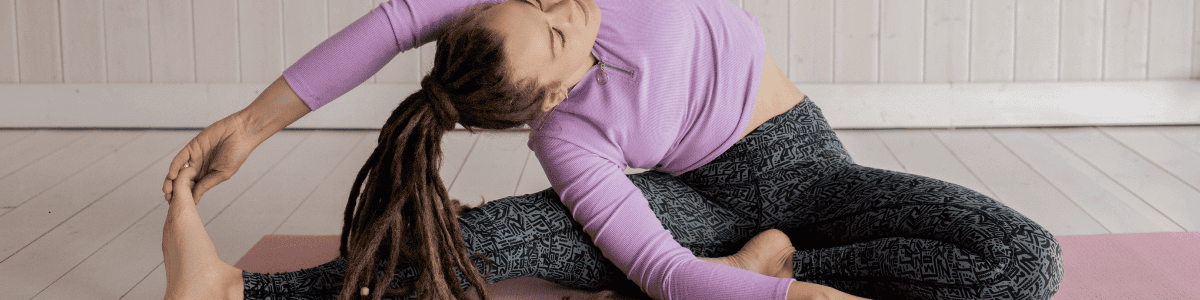
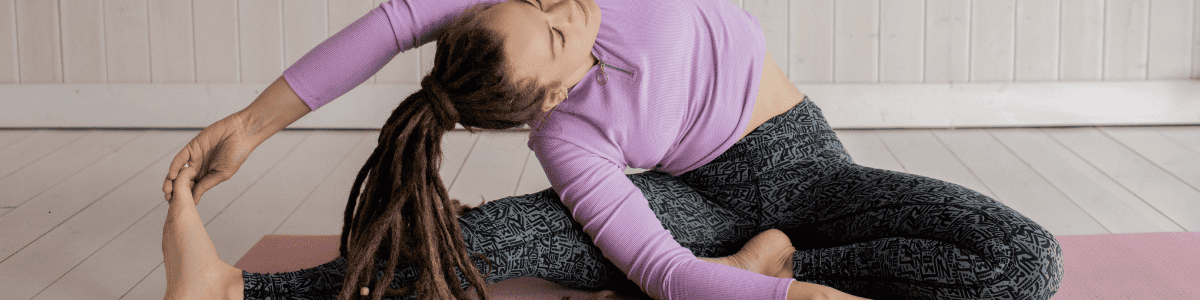
Most people only notice their flexibility when it lets them down — a twinge reaching for a high shelf, stiff hamstrings after a long drive, a lower back that protests when they bend to lift a child or a shopping bag. Mobility quietly underpins almost everything you do, yet it is one of the easiest things to lose and one of the most rewarding to maintain. This post explains what range of motion really is, why it declines, and how assisted stretching and Thai massage can support it. Maliwan, our practitioner here in Glasgow, trained in the Wat Pho tradition in Bangkok and has spent more than twenty years working with stiff, restricted bodies — so the guidance below comes from genuine clinical experience, not theory.
Flexibility and Mobility Are Not the Same Thing
The two terms are often used interchangeably, but they describe different things. Flexibility is the passive length a muscle can reach — how far a hamstring will lengthen when you fold forward. Mobility is how well a joint can move actively through its full range, with control and strength. You can be flexible but lack mobility, and the goal for everyday life is usually mobility: usable, controlled movement rather than the ability to fold yourself into a pretzel.
Range of motion is shaped by several things at once — the muscles and tendons around a joint, the joint capsule itself, the nervous system’s tolerance for being stretched, and plain habit. A body that sits for eight hours a day teaches its hip flexors to stay short and its upper back to stay rounded. The tissue adapts to the positions you hold most often, which is why desk-bound Glaswegians so often arrive with tight hips and stiff shoulders.
Why Range of Motion Declines
Flexibility does decrease with age, but age alone is not the main culprit — inactivity is. Connective tissue loses some elasticity over the years, and muscle mass tends to fall once people reach their thirties and forties, but the bigger driver is simply moving less and in fewer directions. The good news is that this is largely reversible. Research published over the last two decades consistently shows that regular stretching improves range of motion at any age, including in older adults.
Tightness is rarely just about the muscle in question. A restricted hip can pull on the lower back; tight hamstrings can change how your pelvis sits and contribute to the kind of ache covered in our guide to understanding sciatica and lower back pain. When one area stops contributing its share of movement, neighbouring areas compensate, and that is often where strain and discomfort begin.
How Thai Massage Supports Mobility
Thai massage is built around assisted stretching, which sets it apart from most table-based treatments. Rather than only kneading muscle, the practitioner moves your limbs and trunk through passive stretches, combining rhythmic compression along the body’s energy lines (sen) with yoga-like positions. Because the practitioner controls the movement, your muscles can stay relaxed while the joint is taken through a fuller range than you would reach unaided. This is why the style is sometimes called “lazy person’s yoga” — though there is nothing lazy about how it leaves your hips and spine feeling afterwards.
The tradition has deep roots. Thai massage is widely attributed to Jivaka Kumar Bhaccha, a physician associated with the Buddha some 2,500 years ago, and the surviving teaching texts are preserved at Wat Pho temple in Bangkok — the same lineage Maliwan trained in. The work can ease the muscular tension that limits movement and may help restore range of motion when stiffness is soft-tissue related. If you want the detail on the stretching mechanics, our piece on Thai yoga massage stretching techniques goes further, and the broader types of Thai massage overview explains how the assisted-stretch style differs from oil and deep-tissue work.
Persistent stiffness sometimes traces back to localised muscle knots rather than general tightness — the science behind why those knots form is worth a read if a particular spot never seems to loosen.
What You Can Do Between Sessions
Massage helps, but daily habits do the steady work. A few principles matter more than any single stretch:
- Move often, not just intensely. Standing and moving every thirty to sixty minutes does more for stiff hips than one long session.
- Stretch warm. Tissue lengthens more safely after light movement or a warm shower than when cold and stiff first thing in the morning.
- Hold, don’t bounce. Easing into a stretch and holding it for around thirty seconds is more effective and safer than ballistic bouncing.
- Aim for mild tension, never pain. A stretch should feel like a firm pull, not a sharp warning. Sharp pain means stop.
A short routine covering the hamstrings, hip flexors and shoulders — the three areas sitting tightens most — done for ten minutes most days will compound over weeks. Consistency beats intensity every time.
When to Seek Medical Advice First
Stretching and massage are supportive, not a substitute for diagnosis. If you have sudden loss of movement, numbness, pins and needles, weakness in a limb, or pain that radiates down a leg or arm, see a GP or physiotherapist before booking soft-tissue work — these can signal something that needs assessment. The same applies to severe or persistent back pain that does not settle. For context on managing recurring back issues alongside movement, our guides to Thai massage for back pain and injury prevention and recovery through massage are useful starting points.
Frequently Asked Questions
Can I improve my flexibility if I’m already in my fifties or sixties? Yes. Studies on stretching programmes in older adults show meaningful gains in range of motion regardless of starting age. Progress may be slower than for someone younger, but the direction of travel is the same with regular, gentle work.
Will a Thai massage hurt? It should feel like a deep, satisfying stretch rather than pain. A good practitioner works to your range, not against it, and adjusts pressure to what your body tolerates. Tell Maliwan about any injuries or sensitive areas before you start so the session can be adapted.
How often should I get assisted stretching to keep my mobility up? For general maintenance, many people find a session every two to four weeks works well alongside their own daily stretching. If you are addressing specific stiffness or recovering from a sedentary spell, a closer run of sessions early on can help, then space them out.
If tight hips, stiff shoulders or a restricted back are limiting how you move, assisted stretching is a practical place to start. You can book a session with Maliwan here in Glasgow.