Beat Sciatica: Simple Pain Relief Tips
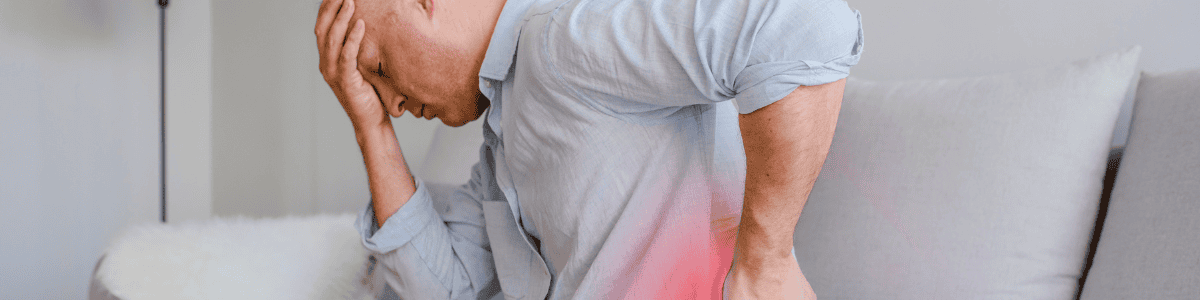

Back pain is one of the most common reasons people in Glasgow take time off work, and most of us will have a bout of it at some point. The reassuring part is that the great majority of cases are not caused by anything serious and tend to improve on their own. According to the NHS, most back pain is “non-specific” — meaning no single damaged structure is to blame — and usually eases within a few weeks. The habits that help it settle are, for the most part, the same ones that keep it from coming back.
At Glasgow Thai Massage, Maliwan trained in the Wat Pho tradition in Bangkok and has spent more than 20 years working with tense, overworked backs. What follows is the practical, everyday advice she’d give before any hands-on treatment even comes into it.
Keep moving — rest is not the cure
The single biggest shift in modern back-pain advice is this: prolonged bed rest makes things worse, not better. Gentle, regular movement keeps the muscles around your spine working and stops them stiffening up. A daily walk, a swim, or some easy stretching does more for an ordinary sore back than a weekend on the sofa.
If pain flares, stay as active as you reasonably can rather than freezing in place. Movement increases blood flow to the area, which supports recovery and helps reduce the guarding and tightness that often turns one bad day into a bad fortnight.
Sort out how you sit
Most Glasgow back complaints are desk-shaped. If you spend the day at a screen, the position you hold for hours matters far more than any single lift. Set your chair so your feet rest flat, your hips sit slightly higher than your knees, and the top of your monitor is roughly at eye level so you’re not craning forward.
The best posture, though, is the next one. No position is healthy if you hold it for three hours straight. Stand up, stretch, or take a short walk to the kettle every 30 to 45 minutes. Breaking up static sitting is one of the most effective things you can do.
Lift with your legs, not your back
When you pick something up, bend at the knees and hips, keep the load close to your body, and let your legs do the work — not your lower back. Avoid twisting while you lift; turn your feet instead. It’s a small habit that prevents a large share of sudden “I just bent down and it went” episodes.
Build a short stretching habit
You don’t need an hour of yoga. A few minutes of gentle stretching for the hips, hamstrings and lower back — done most days — keeps the tissues supple and eases the tension that builds up from sitting. Tight hips and hamstrings quietly pull on the lower back, so loosening them often helps the back itself.
This is where the principles behind Thai massage are genuinely useful at home. Thai bodywork combines acupressure with assisted stretching, and many of its gentler movements translate into self-stretches you can do on your own mat. Our guide to Thai yoga massage stretching techniques walks through the kind of movements that change how the back feels.
Manage stress and sleep
Stress and back pain feed each other. When you’re tense, the muscles across your shoulders and lower back tighten and stay that way, and poor sleep lowers your tolerance for pain the next day. Simple wind-down habits — a regular bedtime, less screen time before bed, a few minutes of slow breathing — genuinely help. There’s a reason massage for stress and anxiety often eases physical tension as a side effect.
When does massage help?
Massage isn’t a cure, but it can ease the muscular side of back pain — the knots, tightness and guarding that build up around a sore spot. By releasing tense muscles and improving local circulation, it can make movement more comfortable and break the cycle of tension that keeps a sore back sore. Many people find it most useful alongside the movement and posture habits above, rather than instead of them.
If your discomfort is more in the muscles than the joints, a focused treatment for back pain can target exactly those areas. Thai massage in particular pairs pressure work with stretching, which suits a stiff, desk-bound back well.
When to see a doctor
Most back pain is harmless and self-limiting, but some symptoms warrant prompt medical assessment rather than a massage. See your GP — or, with red-flag symptoms, seek urgent care — if your pain is severe and not improving after a few weeks, follows a significant fall or injury, or comes with numbness, tingling or weakness in your legs, problems controlling your bladder or bowels, or unexplained weight loss or fever. A practitioner should always refer you on when something falls outside their scope.
Practical takeaways
- Keep moving — gentle, regular activity beats bed rest for an ordinary sore back.
- Break up sitting every 30 to 45 minutes; the best posture is the next one.
- Lift with bent knees, load close, no twisting.
- Stretch hips, hamstrings and lower back most days — a few minutes is enough.
- Massage may ease muscular tension and support recovery, but isn’t a substitute for medical care when red flags appear.
If a stiff, knotted back is wearing you down, you’re welcome to book a session with Maliwan in Glasgow.
Frequently asked questions
Should I rest or stay active when my back hurts? Stay as active as you reasonably can. Current NHS advice is that prolonged bed rest tends to slow recovery, while gentle movement keeps the muscles working and supports healing. Ease off intense exercise during a flare, but keep doing everyday activity.
Can massage make back pain worse? For ordinary muscular tension it’s generally well tolerated, though you may feel a little tender for a day afterwards, much like after exercise. If your pain is sharp, radiating, or comes with red-flag symptoms, see a doctor before booking. A good practitioner will check your history and refer you on if massage isn’t appropriate.
Is Thai massage suitable for a sore lower back? It can be, because it combines acupressure with assisted stretching that targets the hips and lower back. If you’re dealing with nerve-type pain running down the leg, read our piece on sciatica and lower back pain first, and mention it when you book so the treatment can be adapted.