The Magic of Massage for Scottish Hikers
Massage and Recovery for Scottish Hill-Walkers
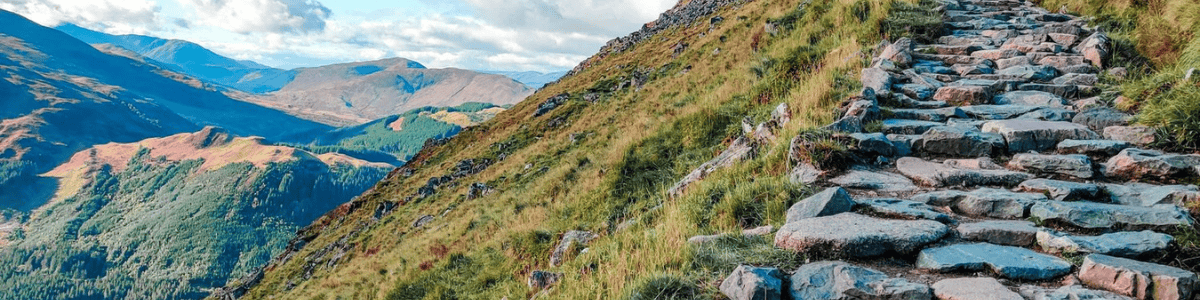
Scotland has 282 Munros — hills over 3,000 feet — and a single day out on one can mean six or more hours of sustained climbing and descending. Hill-walking is one of the most demanding things most people do with their legs, and the soreness that follows is not a sign you did anything wrong. It is a normal response to hard, repeated muscle work, and there are sensible things you can do to recover faster and walk more comfortably.
At Glasgow Thai Massage, Maliwan trained in the Wat Pho tradition in Bangkok and has more than 20 years of hands-on experience. This guide explains, in plain terms, why your body aches after a long walk, what massage can realistically help with, and how to look after yourself between hikes.
Why Your Legs Ache After a Long Walk
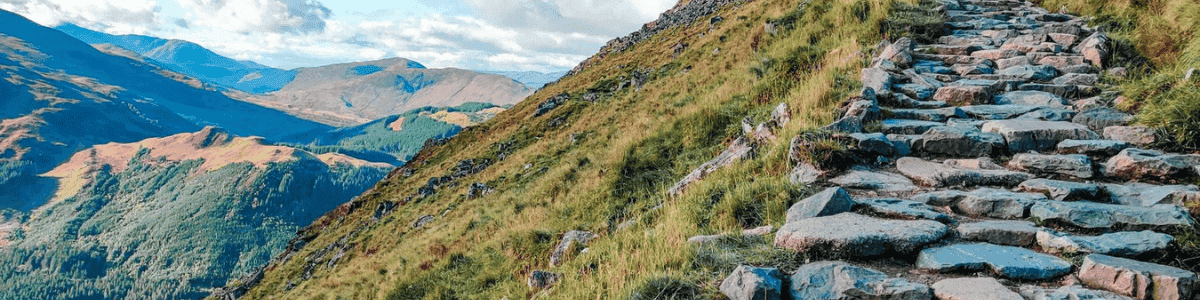
The deep ache you feel a day or two after a big hill is usually delayed onset muscle soreness (DOMS). It tends to peak around 24 to 72 hours after the effort and is linked to the eccentric work your muscles do — the lengthening contractions that control each step, especially on long descents. Going down Ben Lomond is often what leaves quads and calves sorest, not going up.
You will typically feel it most in:
- Quads and calves — from braking on the way down
- Lower back — from carrying a loaded pack and holding posture for hours
- Hips, ankles and feet — from uneven, rocky ground
DOMS settles on its own within a few days. Massage will not erase it, but research suggests it can take the edge off. A 2018 systematic review in Frontiers in Physiology found that post-exercise massage produced a small but meaningful reduction in muscle soreness and perceived fatigue compared with no treatment. It is best thought of as comfort and faster perceived recovery, not a cure.
What Massage Can and Cannot Do
Massage works mechanically and through the nervous system. Firm, focused pressure on tight tissue and gentle assisted stretching can ease the feeling of stiffness, encourage relaxation, and help you move more freely. If you carry recurring tension, it is worth understanding why muscle knots form before assuming a single session will clear everything.
For hill-walkers specifically, two approaches tend to suit:
- Thai massage combines acupressure with assisted, yoga-like stretches that open the hips, hamstrings and calves — the areas that take a battering on steep ground. If that is new to you, the overview of Thai yoga massage stretching techniques explains what to expect.
- Deep tissue or sports-style work targets specific tight bands of muscle with slower, sustained pressure. The difference between deep tissue massage and a general relaxation treatment matters if you want focused recovery rather than a gentle wind-down.
Be honest about the limits. Massage may help muscle soreness and tightness; it does not fix structural injuries, fractures, or significant joint problems. Sharp, localised pain, swelling, numbness, or pain that does not improve over a week or two warrants assessment by a GP or physiotherapist rather than another massage.
Looking After Lower-Back and Joint Pain
A heavy pack and hours of fixed posture leave many walkers with a tired, aching lower back. Gentle massage and stretching can ease that day-to-day tightness. If your back pain radiates down one leg, though, that can point to nerve involvement rather than simple muscle fatigue — our guides on massage for back pain and thai massage for sciatica cover the difference and when stretching helps versus when it does not. Persistent or worsening back or leg pain should always be checked medically.
Practical Takeaways Between Hikes
You do not need a therapist for everything. A few habits help:
- Warm up and cool down. A few minutes of easy walking at the start, and gentle calf and hamstring stretches at the end, ease the transition.
- Hydrate and refuel. Carry water and proper food; dehydration makes muscle fatigue feel worse.
- Walk within your fitness. Build up distance and ascent gradually rather than jumping to a hard Munro cold.
- Layer up and check the forecast. Scottish weather turns quickly — being cold and tense adds to muscle tightness.
- Book a treatment when you need it, not just when you are sore. Regular sessions as part of an active-lifestyle recovery routine tend to serve walkers better than waiting until something seizes up.
If you walk regularly and want to recover well between days out, you can book a session with us in Glasgow.
Frequently Asked Questions
How soon after a long hike should I get a massage? A light treatment the same evening or the next day is fine for general recovery and relaxation. If muscles are very sore, gentler pressure is usually more comfortable in the first 24 to 48 hours, with firmer work better suited once the worst of the soreness has passed.
Will massage stop me getting sore at all? No. Delayed onset muscle soreness is a normal response to hard effort and massage will not prevent it entirely. It may reduce how sore and fatigued you feel and help you move more comfortably while it settles.
Is Thai massage suitable if I have an existing injury? It depends on the injury. Thai massage involves stretching, which is not appropriate for some acute or unstable problems. If you have a known injury, recent surgery, or a medical condition, tell your practitioner beforehand and get clearance from your GP or physiotherapist first.