
Improve Your Sleep, Improve Your Life!
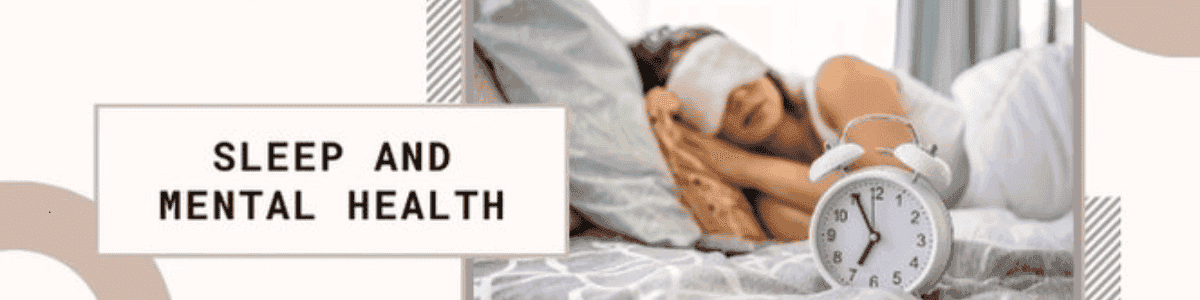
Sleep and mental health are not two separate problems that happen to overlap — they feed each other. A poor night frays your patience and lowers your tolerance for stress the next day; the stress then makes the following night harder to sleep through. Over weeks, that loop can settle into a pattern that’s tough to shift on your own.
At Glasgow Thai Massage, Maliwan trained in the traditional Wat Pho style in Bangkok and has worked with bodies under tension for more than 20 years. Massage is no substitute for good sleep habits or medical care, but a treatment built around relaxation can make the winding-down part genuinely easier. This guide covers the sleep–mood connection, the habits worth changing first, and where a calm hour on the table fits in.
How poor sleep affects your mental health
Sleep is when the brain does its emotional housekeeping. During deep and REM sleep, your nervous system processes the day’s stress and resets the chemistry that keeps mood steady. Skip enough of it and that maintenance doesn’t happen.
The most studied example is the amygdala, the brain’s threat-detector. Research from the University of California, Berkeley (2007) found that after a sleepless night the amygdala reacted up to 60% more strongly to negative images, while the prefrontal cortex that normally keeps it in check went partly offline. In plain terms: tired brains overreact to small problems and have less ability to talk themselves down.
That’s why one bad night leaves you short-tempered and thin-skinned. Sustained sleep loss does more: it’s linked to higher cortisol, the stress hormone, and to disruption of the mood-regulating systems involving serotonin and dopamine. It also blunts concentration, memory and decision-making — the foggy, slow feeling that makes ordinary tasks frustrating.
The two-way street
The relationship runs in both directions, which is what makes it stubborn. Insomnia is one of the strongest predictors of later depression and anxiety, not just a symptom of them, while anxiety, depression and PTSD disrupt sleep through racing thoughts, early waking or nightmares. Because each side worsens the other, addressing sleep is one of the most practical places to start.
A note worth taking seriously: if low mood, persistent anxiety or sleeplessness has lasted more than a few weeks, or it’s interfering with daily life, that warrants a conversation with your GP. The habits below help with ordinary, stress-related poor sleep — they are not a treatment for a clinical condition.
Practical habits that actually help
Most sleep improvement comes from a handful of unglamorous changes done consistently, not from any single trick.
- Keep a fixed wake time. Getting up at the same time every day — weekends included — anchors your body clock. Wake time matters more than bedtime.
- Protect the last hour. Cut caffeine from early afternoon, avoid heavy late meals, and put screens down before bed. Bright evening light suppresses melatonin, the hormone that signals it’s time to sleep.
- Make the room work for sleep. Cool, dark and quiet is the target — blackout curtains or an eye mask, and earplugs or steady background sound, fix most problems cheaply.
- Wind down deliberately. Reading, slow breathing or a warm bath tells your nervous system the day is over. The bath works because your core temperature drops afterwards, mirroring the natural dip at sleep onset.
If your mind races the moment your head hits the pillow, deal with it earlier in the evening: a few minutes writing down tomorrow’s worries gets them out of your head, and slow breathing — longer out-breath than in-breath — nudges you out of fight-or-flight.
Where massage fits in
Stress lives in the body as much as the mind. Sustained tension shows up as tight shoulders, a clenched jaw, a stiff lower back — and that physical guarding keeps the nervous system on alert, which is the opposite of what you need to fall asleep.
A slow Thai massage uses rhythmic compression and assisted stretching to release held tension and shift you out of the stressed, sympathetic state into the calmer “rest and digest” mode. That settled feeling can carry into the evening and make sleep easier to reach. If you carry stress in specific areas, our piece on why muscle knots form explains the mechanism, and if anxiety is the main driver, Thai massage for stress and anxiety goes into more depth. Where tension is movement-related — a tight back from desk work, for instance — the assisted stretches of Thai yoga massage ease the stiffness that keeps you fidgeting at night.
Massage won’t fix a serious sleep disorder, but as one part of a wider routine it’s a pleasant, drug-free way to lower the day’s stress load before bed.
If you’d like to make winding down a regular habit, you can book a session at our Glasgow studio.
Frequently asked questions
Can a single massage improve my sleep that night? It can help. Many people sleep more deeply after a relaxing treatment, from the drop in muscle tension and the calmer nervous-system state it leaves you in. The more reliable benefits come from consistency — massage as a regular part of a wind-down routine rather than a one-off fix.
What type of massage is best for sleep and stress? Slower, relaxation-focused styles — a calm Thai massage rather than an intense deep-tissue session. That said, if specific muscle pain is keeping you awake, easing it directly is worth it. Our types of Thai massage guide explains the differences.
When should I see a doctor instead? If sleeplessness or low mood has persisted for several weeks, comes with significant anxiety or depression, or is affecting your work and relationships, see your GP. Massage and good sleep habits support ordinary stress-related poor sleep; they are not a substitute for medical assessment.